United States
Window replacement, answered first
Say how many windows you have, what type they are and what is wrong with them. Nothing is measured or ordered until you say so.
(855) 235-1641Licensed installers. No obligation for the call.
The federal tax credit for windows ended on 31 December 2025. Work installed during 2025 is still claimable on that year’s return; for anything installed in 2026 there is no federal credit, and the federal rebate programmes that replaced other incentives never covered windows. What is left.
The other thing worth knowing before shopping: the two numbers on the label mean opposite things at the two ends of the country. A window sold as efficient in Minnesota is the wrong window in Florida. Which one suits your climate.
The same window is right in one state and wrong in another
Heat leaving the house is measured the same way everywhere. Sun arriving through the glass is not: in the north it is warmth you did not pay for, in the south it is load on the air conditioning. That single number is what most of a window sale skips.
heat leaving — the U-factorsun through the glass — solar heat gain
heat leaving — the U-factorsun through the glass — solar heat gain

What the call can cover
One number, and the same conversation whichever of these it is. Repairs are the exception — a broken pane or a stuck sash is a glazier’s job, not this one.
The day itself
One opening takes a couple of hours. A house takes days rather than weeks, and the order rarely changes.
-
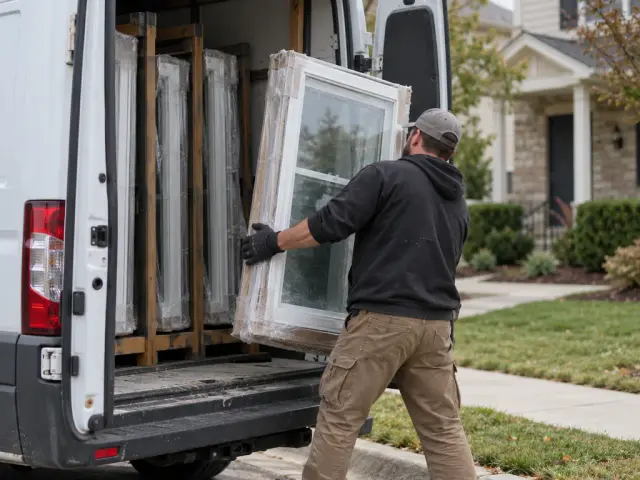 01Units arrive built to your measurements.
-
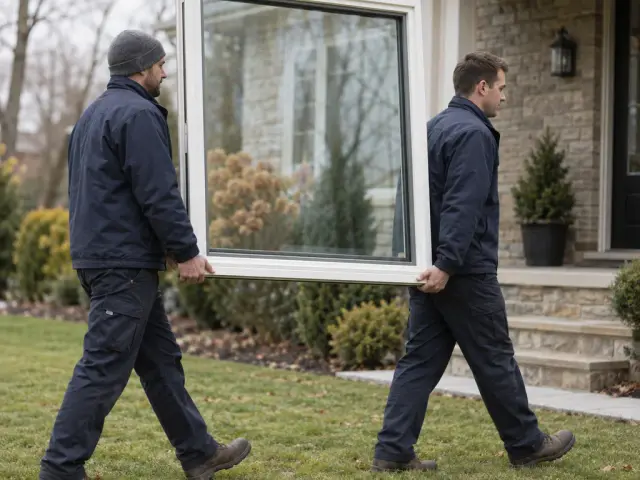 02Carried in, one opening at a time.
-
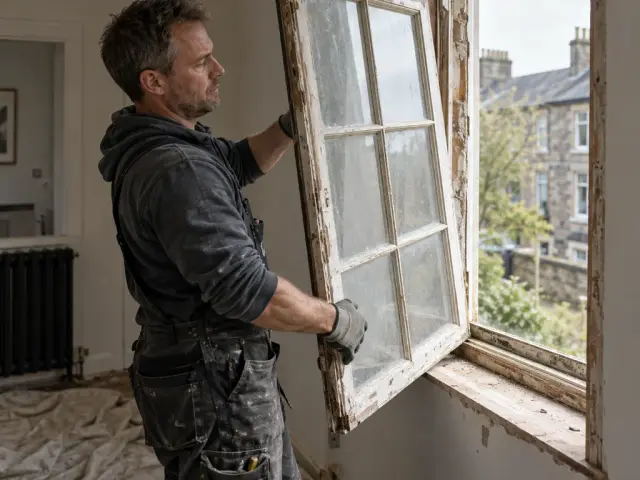 03The old sash comes out. Dust sheets first.
-
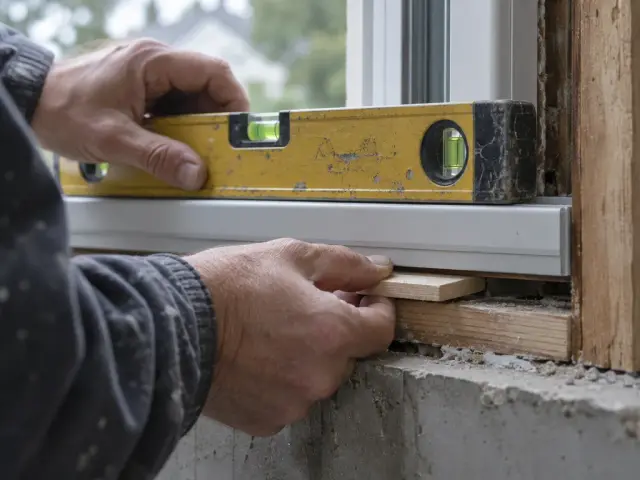 04Shimmed and levelled — a house settles, openings do not stay square.
-
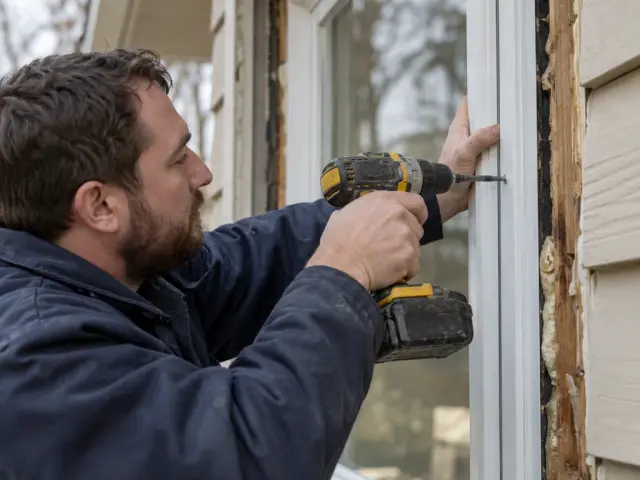 05Set, fastened, sealed against the weather.
-
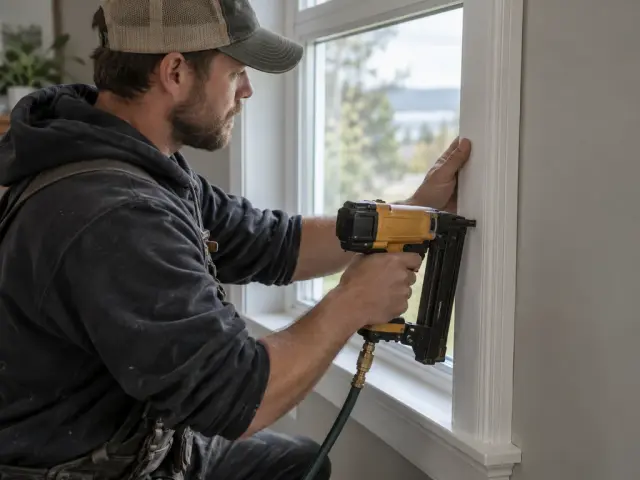 06Trim back on, and the room is a room again.
- License
- Issued by the state where the work happens and held by the contractor, not by this site. Ask which name it is held under — a trading name and the licensed entity are often not the same.
- Lead certification
- Required by federal rule for paid work on any home built before 1978. It has a number, and the firm should give it without hesitating.
- The call
- Describing the job commits you to nothing. Nothing is measured or ordered until you say so.
- Coverage
- By town, not by region. Pick a state below and work down to where you are.
What they will ask you
Worth having ready. A call goes further when the answers are already in your head than when they have to be looked for.
- 01How many windows, and which rooms they are in. Two is where a replacement job usually starts being worth scheduling.
- 02What type they are — double-hung, casement, slider — and roughly what size. The list above is enough to answer with.
- 03What is wrong: draughts, condensation between the panes, sashes that will not stay up, or simply age.
- 04Roughly when the house was built. It decides what is in the wall and whether the federal lead rule applies.
- 05Whether you own the home. A landlord or an HOA in the picture changes who signs and when.
What happens after the call
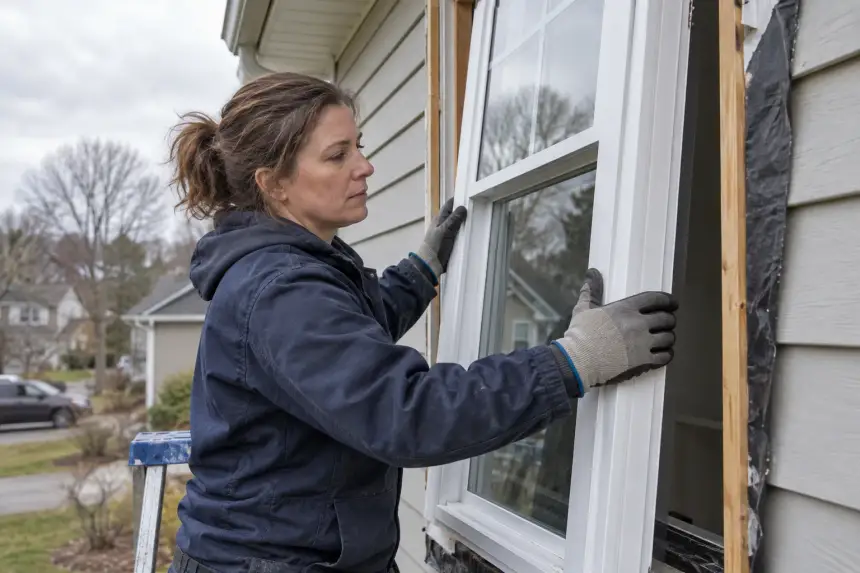
Someone comes out and measures every opening, inside and out, because a house settles and by the end no two are the same width. What is behind the trim decides whether a new unit can go inside the old frame or the frame has to come out — and that is the difference that moves a quote more than the brand does.
Windows are then built to those measurements, which is why most of the wait happens before anyone arrives with a van.
Your state
Climate zone, what the housing of the area is likely to have in the wall, and whether the coastal code reaches you — town by town.
Start here
- Alabama
- Alaska
- Arizona
- Arkansas
- California
- Colorado
- Connecticut
- Delaware
- District of Columbia
- Florida
- Georgia
- Hawaii
- Idaho
- Illinois
- Indiana
- Iowa
- Kansas
- Kentucky
- Louisiana
- Maine
- Maryland
- Massachusetts
- Michigan
- Minnesota
- Mississippi
- Missouri
- Montana
- Nebraska
- Nevada
- New Hampshire
- New Jersey
- New Mexico
- New York
- North Carolina
- North Dakota
- Ohio
- Oklahoma
- Oregon
- Pennsylvania
- Rhode Island
- South Carolina
- South Dakota
- Tennessee
- Texas
- Utah
- Vermont
- Virginia
- Washington
- West Virginia
- Wisconsin
- Wyoming