Deciding
Three complaints, three different answers
Most window projects start with one of these. They do not all end with new windows, and knowing which is which saves a wasted estimate.
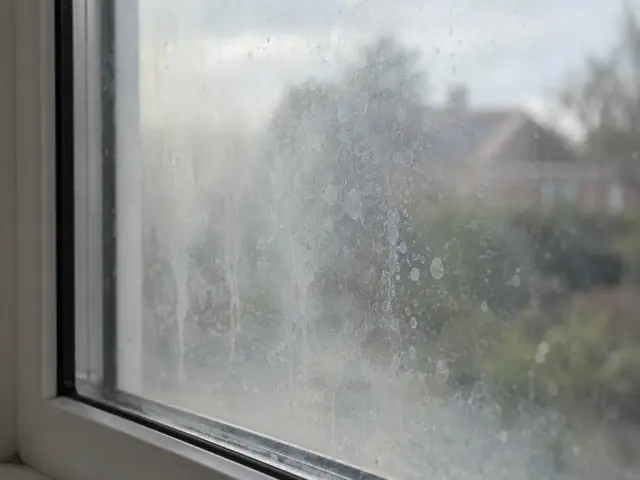
Moisture between the panes
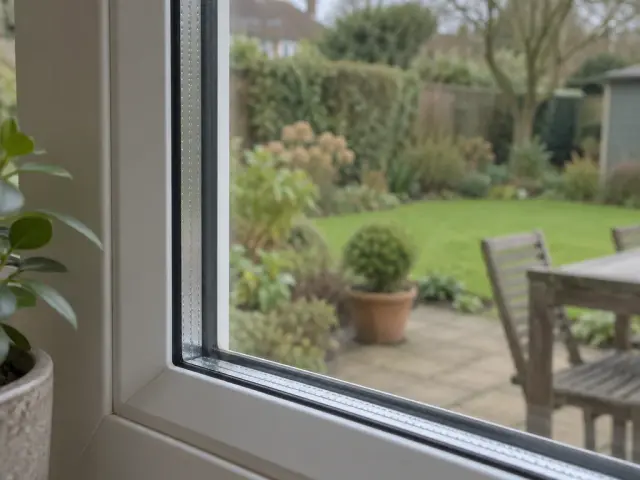
This one is unambiguous. Fog or a haze between the two sheets of glass means the seal of the insulated unit has failed and the gas fill is gone. It cannot be cleaned, and defogging services restore the look without restoring the insulation.
What can be replaced is sometimes only the glass unit rather than the whole window, which is a much smaller job — worth asking about if the frame and hardware are sound.
Draughts
Usually the sash rather than the glass, and usually where the two sashes meet or where the sash meets the frame. On an older double-hung it is often the weatherstripping and the sash balance, both of which can be dealt with for a fraction of a replacement.
Replacement earns its cost here when the frame itself has moved — when the sash no longer closes square, when the sill has softened, or when several windows in the same wall behave the same way. That usually points at the wall, not the window.
Street noise
The complaint most often disappointed by new windows. Standard double glazing is designed for heat, not sound, and swapping like for like can make very little audible difference.
What does help is asymmetric glass — two panes of different thickness — a wider air gap, or laminated glass, which is also what impact-rated units are made of. If noise is the reason for the project, say so on the first call: it changes which products are quoted, and a quote that ignores it will not solve the problem.